
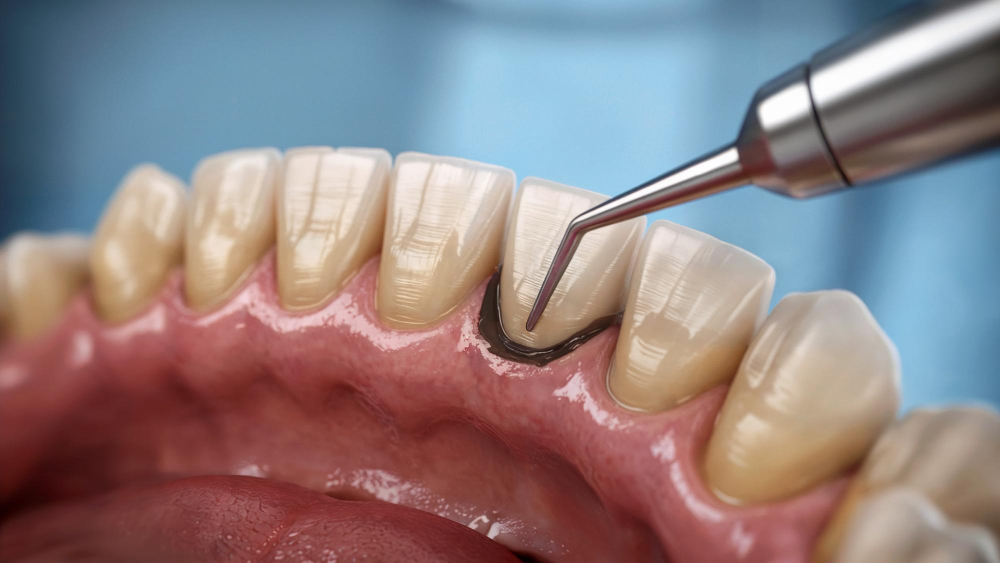
What Is Dental Scaling?
Dental scaling is a professional teeth cleaning procedure. Dentists use special tools to remove plaque and tartar from your teeth. Plaque is a sticky film of bacteria. Tartar is hardened plaque that sticks to teeth and gums. Over time, both can cause gum disease and tooth decay. Therefore, dental scaling helps keep your mouth healthy. Most people need this treatment every six months. However, your dentist may suggest it more often if you have gum problems.
Why Is Dental Scaling Important?
Good oral hygiene is important for a healthy smile. Even with daily brushing and flossing, some plaque can remain. Over time, this plaque hardens into tartar. Tartar cannot be removed by brushing alone. For this reason, dental scaling is needed. The Centers for Disease Control and Prevention (CDC) reports that almost half of adults over 30 have some form of gum disease. Regular dental scaling helps prevent these problems. In addition, it can stop bad breath and tooth loss.
How Is Dental Scaling Performed?
During dental scaling, your dentist or hygienist uses special tools. First, they check your teeth and gums. Next, they use a scaler to gently remove plaque and tartar. Sometimes, they use an ultrasonic device that vibrates and sprays water. This helps loosen and wash away buildup. After scaling, your teeth may be polished to remove stains. The whole process usually takes 30 to 60 minutes. Most people feel only mild discomfort, if any. However, your dentist can use numbing gel if your gums are sensitive.
Benefits of Dental Scaling
Dental scaling offers many oral hygiene benefits. For example, it helps keep your teeth and gums healthy. Here are some key benefits:
According to the World Health Organization (WHO), good oral hygiene can lower your risk of other health problems, such as heart disease. Therefore, regular dental scaling is an important part of your overall health.
Aftercare Tips Following Dental Scaling
After dental scaling, your mouth may feel a bit sore or sensitive. However, these feelings usually go away within a day or two. To help your mouth heal, follow these simple aftercare tips:
Most people can return to normal eating and brushing the same day. However, always follow your dentist’s advice for the best results.
Frequently Asked Questions About Dental Scaling
In summary, dental scaling is a safe and effective way to keep your mouth healthy. It removes harmful buildup and helps prevent gum disease. For the best oral hygiene, schedule regular dental scaling with your dentist. Consult a dentist at City Dental Hospital, Rajahmundry for personalized advice on dental scaling and oral health.