
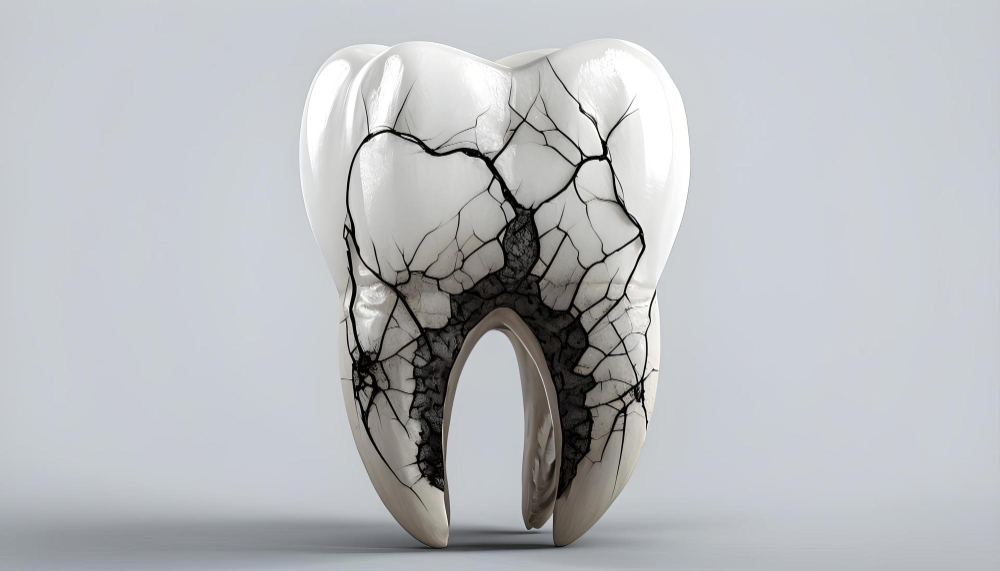
A cracked tooth can cause pain and discomfort. It happens when a crack forms in your tooth, sometimes too small to see. However, even a tiny crack can lead to bigger dental problems if left untreated. Early detection is important. In this blog, you will learn about cracked tooth symptoms, causes, diagnosis, treatment options, and prevention tips. Understanding these facts can help you protect your smile and avoid further issues.
Symptoms of a Cracked Tooth
Not all cracked teeth cause obvious pain. Still, there are signs you should watch for. For example, you may notice:
Sometimes, the pain is mild. Yet, it can get worse over time. If you notice any of these cracked tooth symptoms, it is wise to see a dentist soon.
Common Causes of Cracked Teeth
Many things can cause a cracked tooth. Some common reasons include:
Because these causes are common, anyone can develop a cracked tooth. But, you can lower your risk by taking care of your teeth.
How Dentists Diagnose a Cracked Tooth
Diagnosing a cracked tooth is not always easy. Sometimes, cracks are too small to see with the naked eye. However, dentists use several methods to find them. For instance, they may:
Because early diagnosis is important, regular dental checkups can help catch problems before they get worse. According to the American Dental Association, seeing your dentist twice a year is a good idea.
Treatment Options for Cracked Teeth
Treatment for a cracked tooth depends on the size and location of the crack. Your dentist will suggest the best option for you. Common treatments include:
Early treatment can save your tooth and prevent infection. Therefore, do not wait if you think you have a cracked tooth.
Prevention Tips and Home Care
While not all cracked teeth can be prevented, you can lower your risk. Here are some helpful tips:
If you have a cracked tooth, avoid chewing on that side of your mouth. Also, rinse with warm salt water to keep the area clean until you see your dentist.
If you suspect a cracked tooth, consult a dentist Dr Vamsi Lanka promptly for personalized care.