
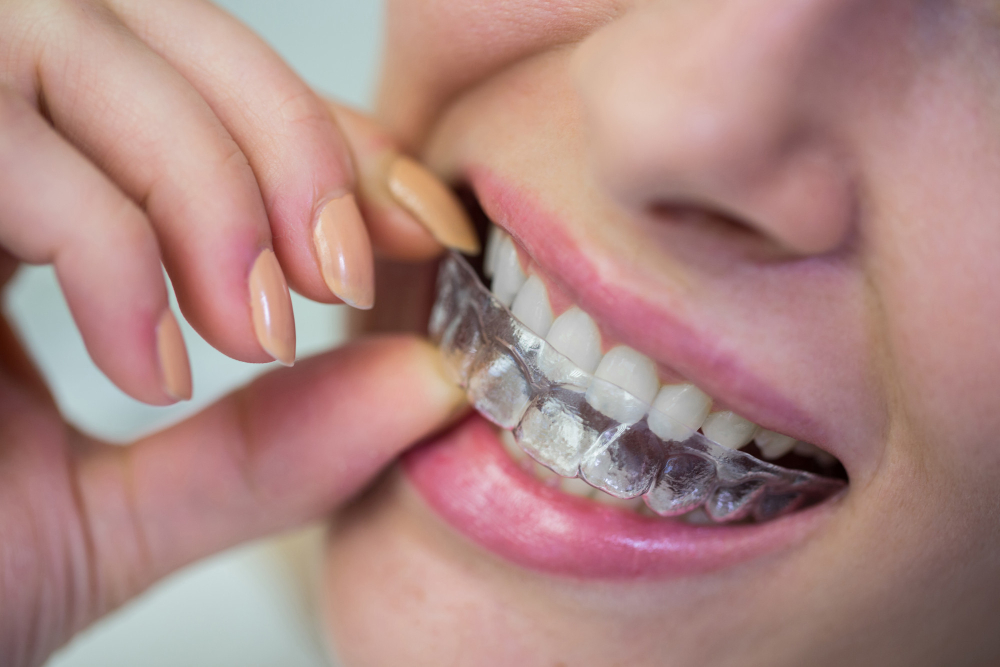
What Are Aligners?
Aligners are clear, removable trays that help straighten teeth. Unlike metal braces, aligners are almost invisible. Many people call them “clear aligners for teeth” or “invisible braces.” Dentists use aligners to fix crooked teeth or bite problems. Because they are custom-made, aligners fit your teeth perfectly. You wear them over your teeth to gently move them into the right position. Aligners have become very popular in recent years. They offer a modern way to improve your smile without wires or brackets.
Benefits of Aligners
Aligners offer many advantages over traditional braces. For example, they are clear and hard to notice. This makes them a good choice for adults and teens who want a discreet option. In addition, aligners are removable. You can take them out to eat, drink, or brush your teeth. This helps keep your mouth cleaner. Here are some key benefits:
Because of these benefits, many people now choose aligners for their dental care.
How Aligners Work: The Treatment Process
The aligner treatment process is simple and clear. First, your dentist checks your teeth and takes digital scans or molds. Next, a series of custom aligners is made just for you. Each set of aligners moves your teeth a little bit closer to the final position. Usually, you wear each set for about two weeks. Then, you switch to the next set. Most people wear aligners for 20 to 22 hours a day. You only remove them to eat, drink, or clean your teeth. The full treatment can take several months to over a year, depending on your needs. Your dentist will check your progress at regular visits.
Who Is a Good Candidate for Aligners?
Not everyone is a good fit for aligners. However, many people with mild to moderate teeth problems can use them. You may be a good candidate if you have:
On the other hand, people with severe bite problems or very twisted teeth may need other treatments. Your dentist will help decide if aligners are right for you. Children and teens can also use aligners, but they must be responsible about wearing them.
Care and Maintenance Tips for Aligners
Proper care is important for aligner success. Because aligners are removable, you must keep them clean. Here are some tips on how to care for dental aligners:
Because good care keeps your aligners clear and odor-free, you will have a better treatment experience.
Common Questions and Myths About Aligners
Many people have questions about aligners. For example, some think aligners work slower than braces. In reality, treatment time is often similar. Others worry that aligners hurt. While you may feel mild pressure at first, this usually fades quickly. Here are some common myths:
If you have more questions, your dentist can provide clear answers.
Potential Risks or Side Effects
Aligners are safe for most people. However, like any dental treatment, there can be some risks. For instance, you may feel mild soreness or pressure when you start a new set. This is normal and usually goes away in a few days. Sometimes, aligners can cause minor speech changes at first. Rarely, people may get mouth sores or allergic reactions. If you do not clean your aligners or teeth well, you could get cavities or gum problems. Always follow your dentist’s advice to lower these risks.
Prevention of Dental Issues During Aligner Use
Good oral care is important during aligner treatment. Because aligners cover your teeth, food and bacteria can get trapped. To prevent dental issues:
With these steps, you can keep your teeth and gums healthy while using aligners.
Conclusion: Is Aligner Treatment Right for You?
In summary, aligners provide a clear and comfortable way to straighten teeth. Proper guidance ensures safe and effective results.
Consult a dental specialist at City Dental Hospital, Rajahmundry to see if aligners are right for you.